The Global Pitch: How Brands are Scoring Big with World Cup Marketing Trends
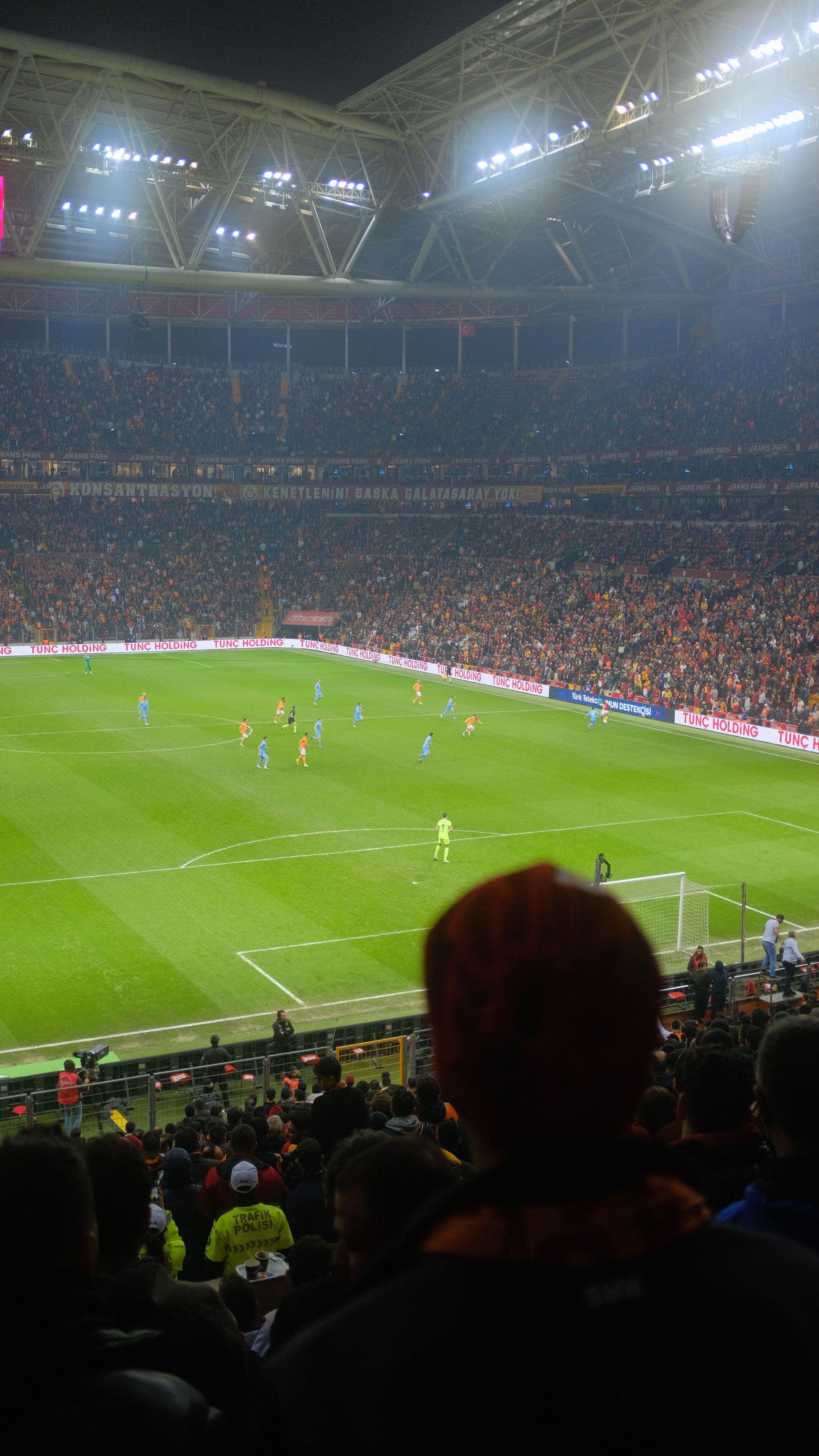
For digital marketers, the World Cup is the ultimate championship. It is a rare, mega sporting event that draws billions of eyes and commands a massive chunk of global ad spend, which, for the sports sponsorship industry overall, is projected to climb toward $190 billion by 2030.
But how are brands cutting through the noise of a crowded media landscape? Let's dive into the massive marketing trends dominating the tournament, how Consumer Packaged Goods (CPG) brands are completely changing the game, and how you can apply these tactics to your own business.
The Strategy: Shifting from Mass Broadcast to "Cultural Moments"
According to Marketing Dive, the days of relying solely on a single, expensive 30 second television spot are fading. Instead, top tier advertisers are focusing on cultural moments through immersive augmented reality (AR) filters on smartphones and real time social media reactive content.
Starbucks launched their "No Cup Like It" campaign, where customers can scan the cup sleeve to unlock a World Cup themed AR mini game to win discounts. The brand also uses real time social media reactive content to track live tournament storylines, using data from polls to match trending underdog teams with specific coffee beans.
Brands are also using hyper localized fan zones. Coca-Cola established physical "House of Fresh" creator hubs in core host cities like Mexico City, New York, and Miami, where local fashion, music, and soccer creators can gather to broadcast live.
Ultimately, by focusing on community building rather than generic messaging, marketers ensure they don't get lost in the sea of standard ad placements.
The Trend: Athlete Led Storytelling and Content Creation
Fans aren’t just looking to FIFA or major networks for tournament updates, they are looking at the players themselves. Recent research highlights a decisive power shift in sports governance and media, where athletes act as their own media producers and cultural influencers. Coca-Cola' s Powerade brand launched the global "Power Your Fate" movement built around raw, athlete-led storytelling. They partnered with rising soccer icons like Lamine Yamal and Rodrygo Goes to capture unscripted moments.
Fans crave content from their favorite players. Whether it’s a quick TikTok dance in the locker room or a raw look at a player's pre-game routine, authenticity drives engagement far better than a corporate script.
The CPG Playbook: The Interactive Limited Edition Snack Pack
Your favorite chips, sodas, chocolates, and beers practically own the World Cup season. Why? Because watching sports is an inherently social, consumption-heavy event. PepsiCo kicked off a massive retail push by entirely reskinning their core product bags. To grab attention on UK store shelves, brands like Walkers featured legendary soccer icons David Beckham, Lionel Messi, and Thierry Henry right on the front of the packaging to grab instant attention on store shelves.
Brands are releasing UK-exclusive, limited-edition flavors named after iconic elements of the game. Doritos launched a permanent Mexican Beef Taco flavor, while Walkers added flavor innovations like Portuguese Chorizo & Onion. To make things even more literal, Wotsits introduced a limited-edition snack called Golden Balls, which are corn snacks physically shaped like tiny footballs.
These physical bags feature prominent on-pack promotions and QR codes. Scanning the pack unlocks digital prize wheels, instant win opportunities for tournament tickets, and interactive games. This turns a simple, passive snack purchase into an active, gamified digital experience that keeps the brand top of mind before, during, and after the match.
How to Bring World Cup Energy to Your Brand
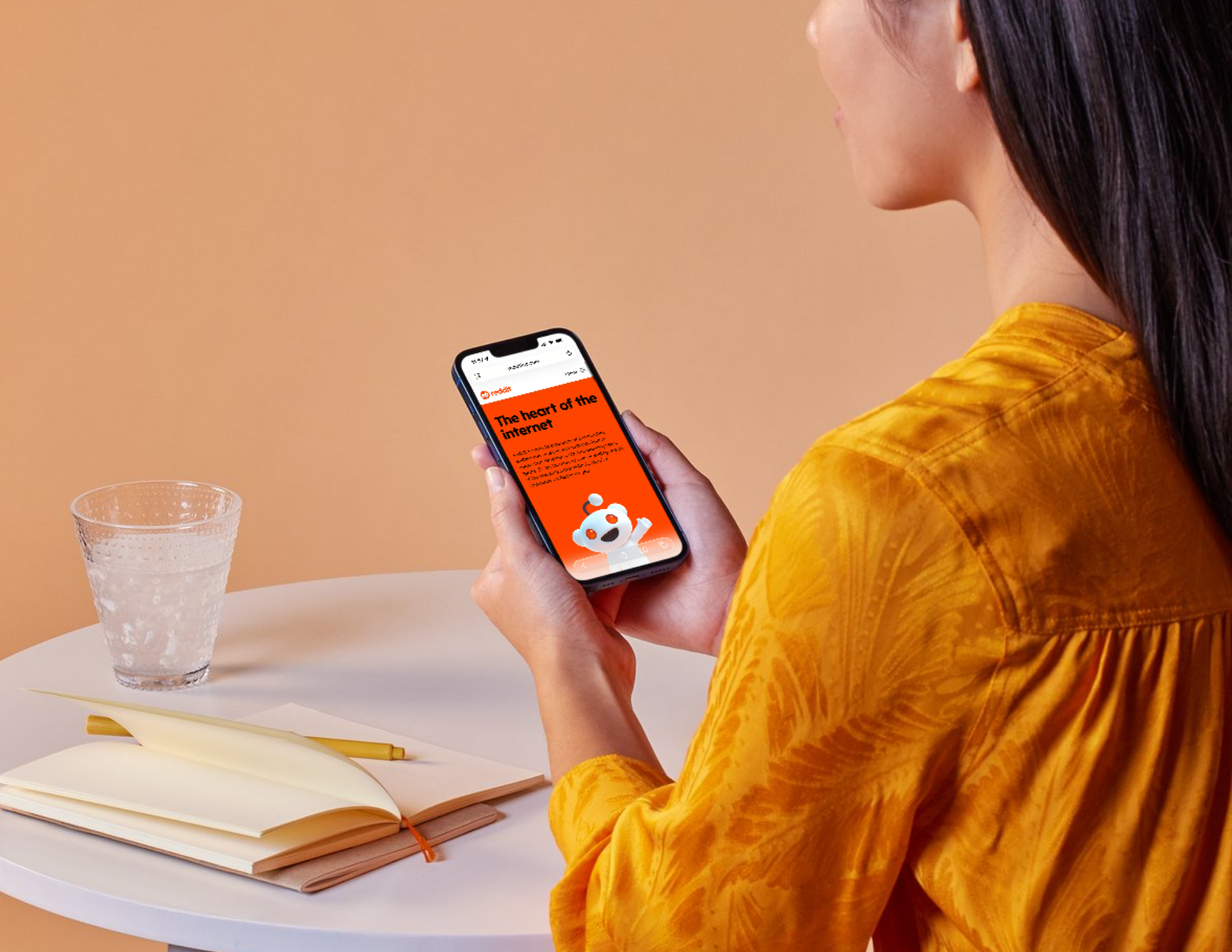
You do not need a multi-million-dollar FIFA partnership to win big. In fact, authenticity goes further than budget. Take Nike for example, They released their six-minute World Cup commercial, “Rip the Script”. The commercial featured celebrities like Kim Kardashian, Travis Scott, and LeBron James. On Reddit, viewers criticized the commercial for being mediocre and cheesy, with celebrity choices that do not align with global soccer fans. To make matters worse, Nike included player Cole Palmer in the ad, who was ultimately left off the real-life England tournament squad, making the spot feel out of touch.
Smaller brands can easily take a page out of the tournament playbook by reacting to live match drama with witty, on-brand commentary. Brands can also drive community engagement by gamifying the experience with simple prediction brackets or interactive polls on Instagram Stories.
The pitch is wide open, how is your brand going to score?